Big Year
I’ll be undertaking a (little) Big Year in 2025, where I’ll try and see as many Australian (and other!) birds as I can (on a PhD’s budget and within a PhD’s time constraints, hence the little). Stay tuned for updates!
Here’s a short piece about birding that I wrote for the Cumberland Plain Conservation Plan newsletter:
Birding, Belonging, and the Cumberland Plain
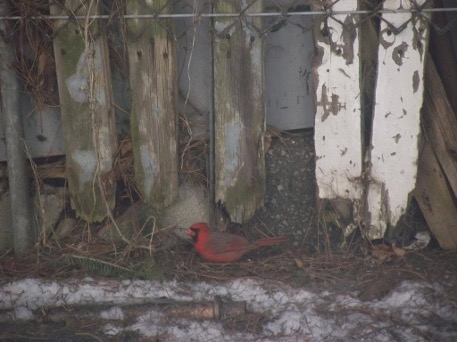
I’ve developed a habit lately of periodically visiting a very obscure internet address - it doesn’t even have a URL, just a series of numbers and dots. I’m logging into a Raspberry Pi (a sort of mini computer, not a fruit tart!) that my Dad recently set up on the roof of our farmhouse back home in France, running an application called BirdNet-Go. BirdNet, created by the Cornell Lab of Ornithology, is a powerful artificial neural network that can identify and detect bird calls (Kahl et al., 2021), and BirdNet-Go is an application that uses BirdNet to run a real-time analysis of all the birds it can hear. And so, thousands of miles away, on a different continent, in a different hemisphere, in a different season, I can listen in to a nightingale (Luscinia megarhynchos) singing away on a warm summer night in the tangle of blackberries and willows behind our house. Birds, and birdwatching, can be a powerful connection to place - whether that’s a childhood home or a new city. The first time I remember really noticing a bird was when a scarlet gem of a creature popped up in the frozen backyard of my little ground-floor flat that I shared with other exchange students in Montreal. Unbeknownst to me, this was a northern cardinal (Cardinalis cardinalis), an incredibly common and well-known bird in North America.
Learning about the birds local to your area can provide a sense of connection and belonging to nature, as well as to other humans through birdwatching groups and sharing knowledge. Birding is also really good for your mental health: research has found that as little as half an hour of birdwatching improves mental wellbeing and reduces feelings of distress (Peterson et al., 2024), even in people suffering from depression (Hammoud et al., 2022). During the pandemic, thousands of people, including myself, found birdwatching to be a lifeline and precious escape from the stress and uncertainty of life at the time.
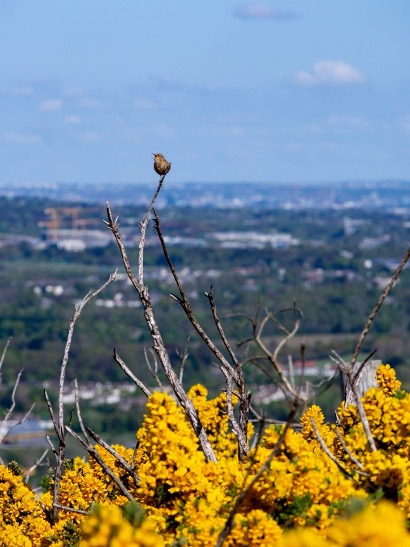
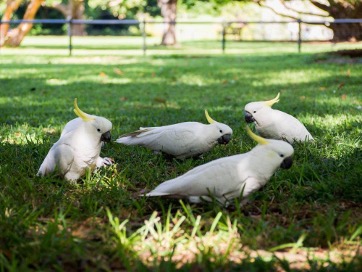
When I first came to Australia on a working holiday visa in 2016, I didn’t so much notice the birds as was bludgeoned in the face by them. The luridly-coloured rainbow lorikeets (Trichoglossus moluccanus), warbling magpies (Gymnorhina tibicen), and charismatic and mischievous sulphur-crested cockatoos (Cacatua galerita) were impossible to ignore, and this was when I became a proper Bird Noticer.
This year, I’ve taken it a step further and have become a Lister – I note down the species I see while out birding and enter the data into eBird once I get home. eBird, also created by the Cornell Lab of Ornithology, is an ingenious tool for both birders and scientists alike. By providing identification help, a place to record species, and tracking statistics like the number of birds you’ve seen in a particular region or on a particular date, as well as allowing users to view other birder’s recorded observations, eBird has become a vital part of any birders’ toolkit alongside binoculars and bug spray. This has allowed the collection of a vast amount of data, with over 3 billion observations in Australia alone.
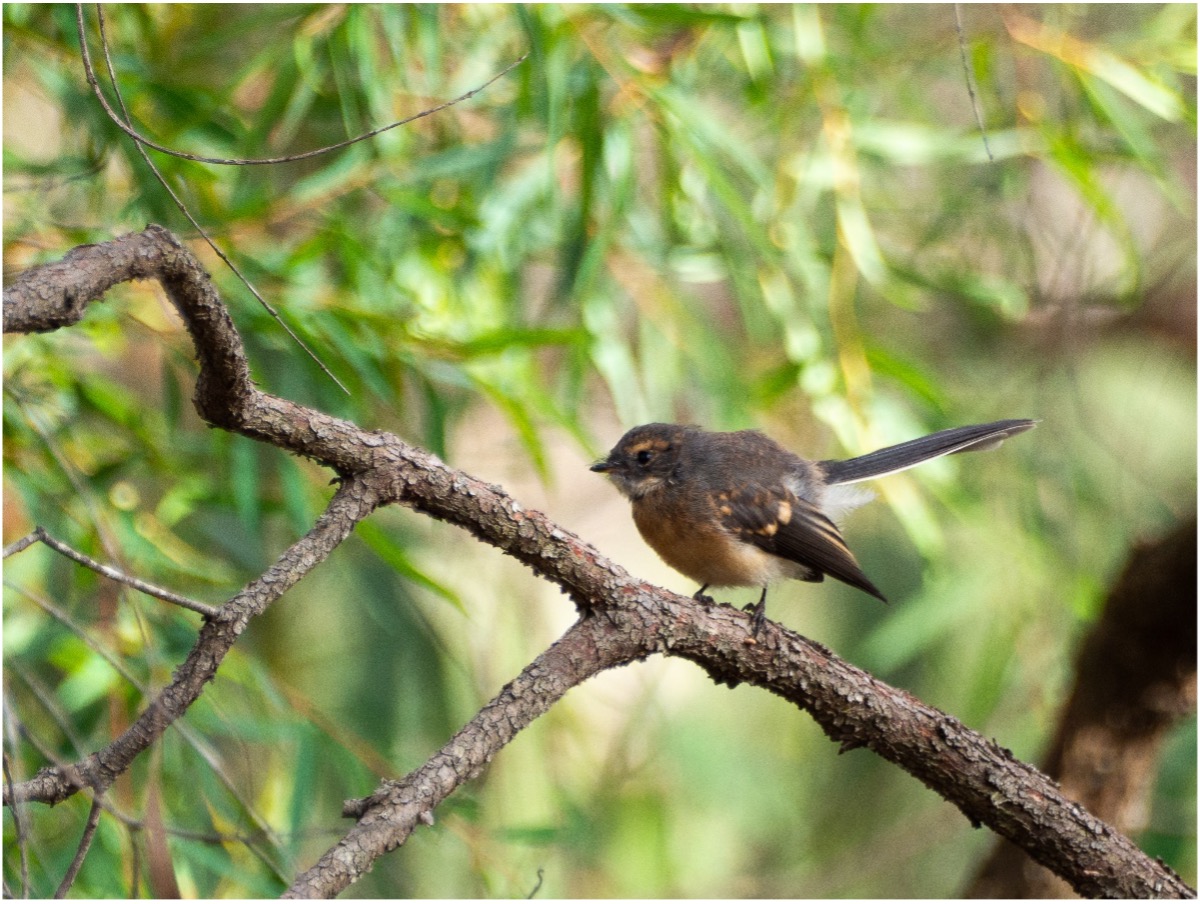
This mountain of data is a treasure trove for researchers and can be used to monitor not only the distribution and status of thousands of bird species, but also the health of the planet. Birds are very sensitive to any changes in their environment and can serve as ecological ‘indicators’ to help us understand the health of ecosystems. In the Cumberland Plain, an area that has been subject to intense clearing and urbanisation, many species have already been lost or displaced. A recent study of 59 Cumberland Plain woodland bird species found that 20 had declined in population, and estimated that half of the studied species may disappear from the area without habitat conservation and restoration efforts (Saunders, 2018).
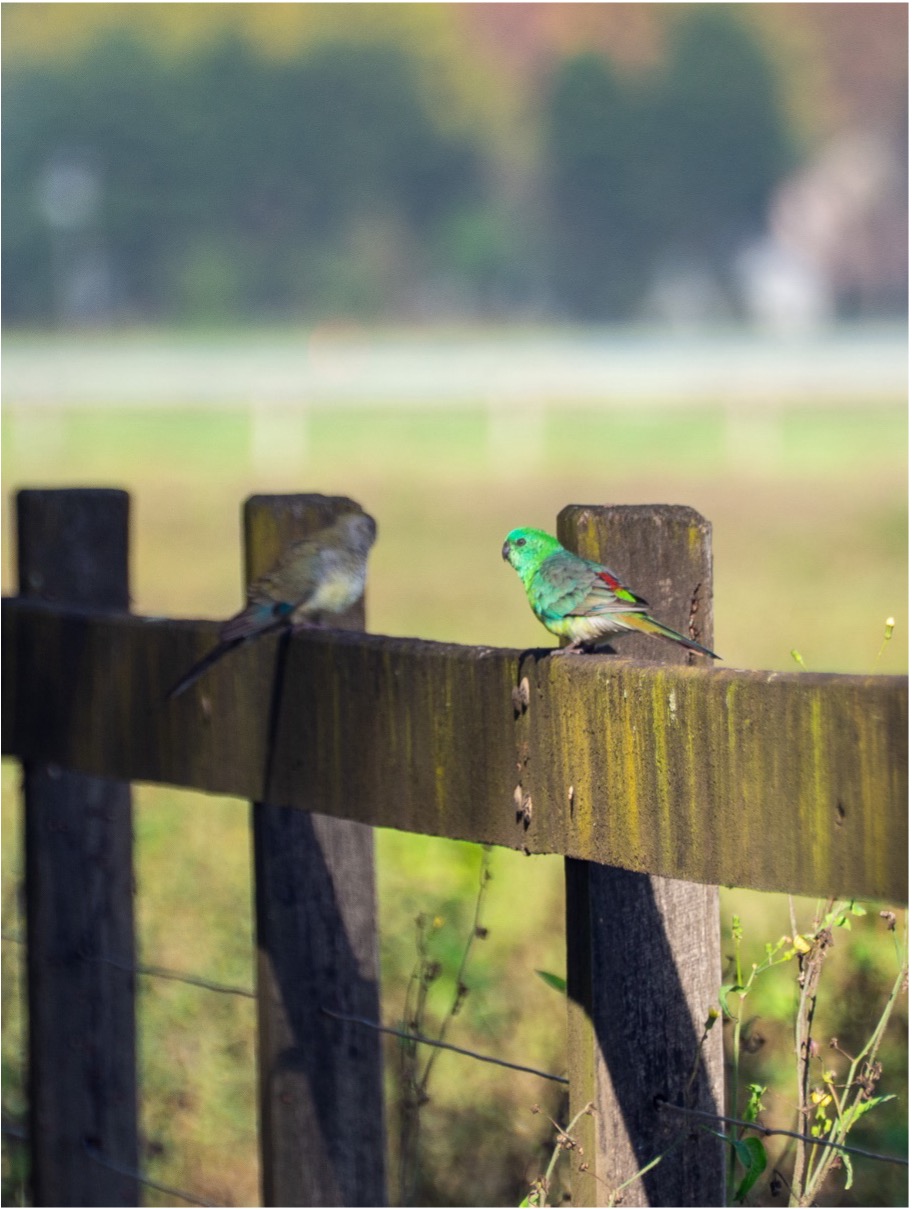
I’ll be using eBird data in my analysis of the biodiversity of remnant patches of vegetation in the Cumberland Plain in my upcoming research, and I wouldn’t be able to do that without the dedication and passion of thousands of local birdwatchers who have submitted their observations. I hope that my work, and that of everyone involved in the Cumberland Plain Conservation Plan, will help protect and conserve our precious local birds and their habitats for many generations to come.
🐦 Want to get involved with birding?
eBird
A global platform for recording bird sightings. Free to use, and a great way to start your bird list while contributing to citizen science.BirdLife Australia
Australia’s leading bird conservation organisation. Join a local branch, attend events, or volunteer for surveys.Merlin Bird ID app
A free app that helps identify birds by photo or sound. Great for beginners and increasingly accurate for Australian species.BirdNET-Go
An open-source tool for setting up passive acoustic monitoring using machine learning on a Raspberry Pi.BirdLife Southern NSW
Join local birding walks, talks, and volunteer surveys. BirdLife’s work supports species and habitat conservation across Western Sydney.Cumberland Bird Observers Club (CBOC)
A long-running local club that hosts monthly outings and talks across the region.Aussie Bird Count
Held every October, this is a fun and easy way to contribute to national bird data from your own backyard, park, or school.
📚 References
- Hammoud, R. et al. (2022). Smartphone-based ecological momentary assessment reveals mental health benefits of birdlife. Sci. Rep. 12, 17589. https://doi.org/10.1038/s41598-022-20207-6
- Kahl, S. et al. (2021). BirdNET: A deep learning solution for avian diversity monitoring. Ecol. Inform. 61, 101236. https://doi.org/10.1016/j.ecoinf.2021.101236
- Peterson, M.N. et al. (2024). Birdwatching linked to increased psychological well-being on college campuses: A pilot-scale experimental study. J. Environ. Psychol. 96, 102306. https://doi.org/10.1016/j.jenvp.2024.102306
- Saunders, A.S.J. (2018). Trends in woodland bird populations on the Cumberland Plain, New South Wales, from long-term datasets. Aust. Zool. 39, 675–697. https://doi.org/10.7882/AZ.2018.041